Showing posts with label D. Appendix 1: research for main product. Show all posts

Wednesday, 9 April 2014

Audience Questionnaire (Graphs & Results)


This is an example of a question asked in the audience questionnaire. It shows all of the popular features of a horror film. As you can see, the most popular features are gore, plot twists and suspense. We took this information on board and implemented these aspects into our trailer.


This is an example of a question asked in the audience questionnaire. As you can see it was asking the frequency in which the consumer watches films as a whole. The most popular responses were once and twice a week. This shows that watching films is still a popular thing to do in the modern day, and that our product does have a market ready and waiting.

Audience Questionnaire

Thursday, 21 November 2013

Horror Trailer Analysis

Insidious 2 

· Title at the end of the trailer.
· Emotive music that builds up tension.
· Enigma of the film is that the family are being haunted.
· Introduces characters and their relationships nicely.
· Genre is horror. Psychological.


The Conjuring

· Documentary based.
· Voice over in the trailer.
· Based on a true story.
· Music creates tension.
· Relationship of characters seen through interviews.


Paranormal Activity - The Marked Ones

· Relationship of characters
· Indicates the central narrative.
· Sound effects build suspense rather than music.
· Leaves you unsatisfied.


Tuesday, 12 November 2013

Film Distribution and Marketing

What is meant by the term film distribution?
Film distribution means the process done by the film distributor, on how the movie is made available to watch for audiences.

What does a film distributor do?
A film distributor is what markets the film to the consumers. They are responsible for the way that the film is released, whether it be in cinemas, on DVD or digital download. 

How does reach relate to film distribution?
Reach is getting it out to your audience through a variety of media materials. This is important to film distributors as they want to maximize the advertisement and consumption of their film so use multiple forms of media as different people are appealed to different things. 


What is meant by the marketing plan?
A marketing plan is a sub category of an overall business plan. What it concentrates on is certain tasks and objectives on how to reach out to the public and get the product known. There is deadline on how long the product has to be marketed.

What is meant by the distribution plan?
The distribution plan is like the marketing plan, but it's focus isn't on advertisement, but actually finding supply chains to inject the product into retail and to the consumers.

What is the difference between advertising, publicity and promotion?
Advertisement is marketing that is paid for and will definitely be put of display. What then stems from this is publicity, as the advertisements are seen by more and more people and popularity increases. The good thing about publicity is that it's the public doing all of the work for you, and doesn't cost any more. Promotion is the final part of the puzzle and lasts for a shorter period of time than advertisements. Promotions can be in the form of magazines, newspapers, social media and social networking to name a few and the key idea of promotion is to grab the consumers attention and boost the sales of the product.

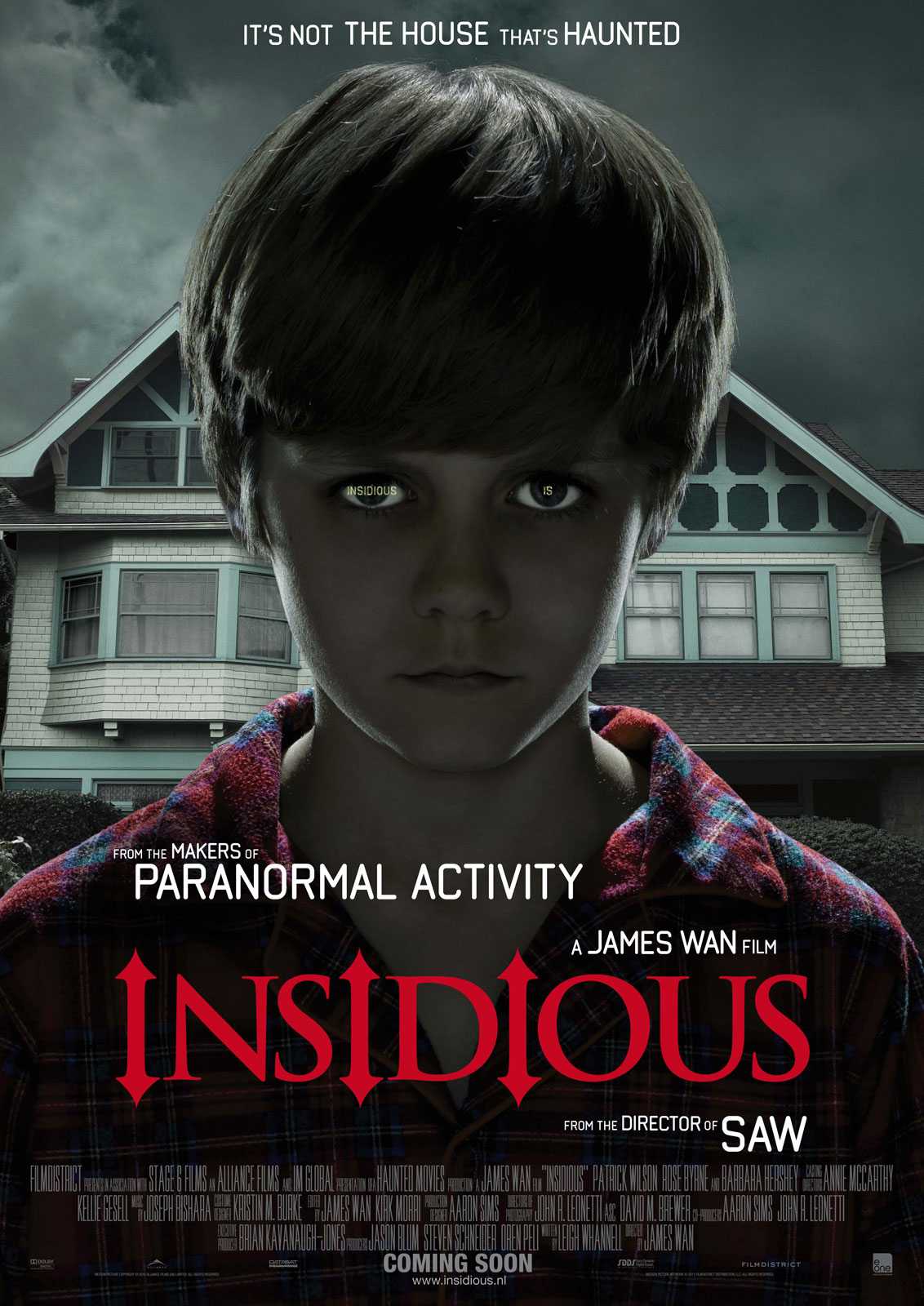
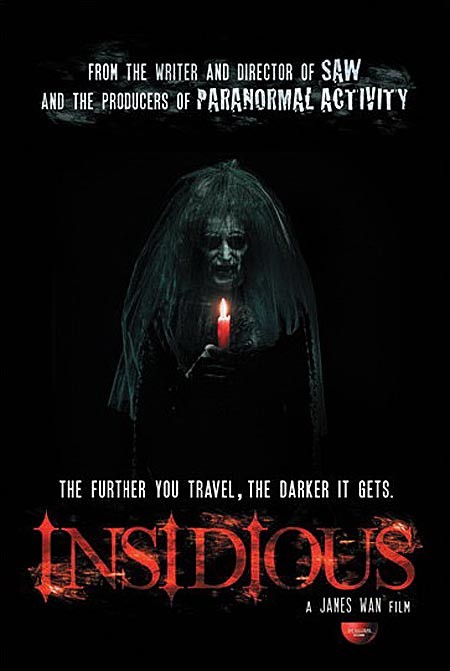
Teaser poster/Teaser trailer/Main Poster/Main trailer


                                   <-- Teaser               Main -->


Teaser trailer: http://www.youtube.com/watch?v=vfxpvRRpyzE

Main trailer: http://www.youtube.com/watch?v=E1YbOMDI59k

Thursday, 7 November 2013

Audiences and Institutions: The Woman In Black (Watkins, 2012)

Who do you think the primary and secondary target audience is for The Woman In Black?

I believe that the primary audience is for people under the age of 25, the majority being teenagers. It is not for a specific gender, and there isn't any specific bias towards a gender in the film, and although Daniel Radcliffe brings all of his Harry Potter fans along, they too, are of a mixed gender. The secondary target audience is for horror film enthusiasts, who enjoy a good jump or two.

How was The Woman In Black marketed? (Think about genres, subgenres, media platforms, target audience, promotions, size of campaign, etc.).

The Woman In Black was heavily marketed by the big star Daniel Radcliffe himself. He wanted to prove that he wasn't just Harry Potter, and could play roles in other movies, outside of Hogwarts. He did many interviews and appeared on big television shows (The Jonathon Ross show) to promote his new blockbuster. To begin with, there was a teaser campaign, that includes a short trailer that doesn't give much of the story line away. They also made competitions that people could enter which would surely generate more interest. Web 2.0 also had a big influence, as Radcliffe did broadcasts on you tube, which is heavily dominated by the younger generation and is easily accessible. There was also merchandise that was released for fans to purchase such as t-shirts and mugs.

Do you think the marketing materials for the film were appropriate? Why?

I think that the marketing materials for the film were risky, but did pay off. The idea to promote the movie on social networking sites like Facebook proved to be very beneficial due to it being heavily populated by teens, which was the prime target audience due to the age certificate being 12 for the film. Also they used Daniel Radcliffe to their advantage, by bringing all of his Harry Potter fans to this film.

How much did 'The Woman In Black' cost to make? and what was the industry impact of The Woman In Black? (box office and trends)

The production budget of The Woman In Black was $17,000,000, which is about £10.5 million in sterling. This was not actually a huge amount, but the film still managed to go global and hold its own against some much larger titles in the market. The impact this film had on the market was that it was a breath of fresh air in the 'ghost' sub-genre of the horror genre. This was because many of them in the past had been similar, with unoriginal plots. Also it was actually one of the biggest selling and most successful English horror titles and that gave in a lot of status in the industry. The presence of Daniel Radcliffe probably had a lot to do with this due to his status in the world of film, and how well he is known all around the world.

What kind of release did the film have? (Big/small? How many cinemas showed the film on release?)

The film had an extremely successful release, stacking up a total of $20,874,072 on the opening weekend in the USA, and £3,153,020 in the UK. The movie was screened a total of 3267 times during that weekend showing the staggering popular demand of this eagerly awaited film. 

Why do you think the film was so successful?

The reason I think the film was so successful was because of the main star, Daniel Radcliffe. This is because he is such a well-known actor, and has a huge fan base thanks to the Harry Potter series that everyone has grown up with. Thanks to this massive fan base, whatever Radcliffe decides to star in he is going to bring over many of his fans. Another reason that I believe the film was so successful is because of the extent the producers went to advertise the film on the market. From YouTube to billboards, and interviews to merchandise every aspect of the market was covered to generate interest in the film and get people excited and eager to go and watch.

Tuesday, 22 October 2013

The Representation of Women in Relation to The Cabin in the Woods (Goddard, 2012)

1. What were Jeremy Tunstall's 4 character roles for women and do they apply to Cabin In The Woods?

Jeremy Tunstall created four character roles of women relating to how they were represented in the media. He did this by looking at existing research on gender representation in the media. The four character roles are as follows:
domestic - housewives
marital - content mothers
sexual - object not a person
consumer - eager

The most obvious role in Cabin in the Woods is the ex object. This is easily identifiable as Jules who is the dumb, slutty girl of the movie.

2. How is Dana typical of Clover's final girl theory? Please mention: the ending; Dana's appearance and her actions during the film.

Dana does follow Clover's final girl theory for a number of reasons. First of all she is ginger. This is very significant as it is very rare for a blonde to be the final girl, as they are stereo typically the slutty girls that always get killed off for their sins. Dana is not into sex and drugs, she is an innocent, hard working girl who spends a lot of time studying (as shown by her packing books to take on vacation). Another thing that stands out is how Dana thinks about what she is doing before she does it, and doesn't just ignore what is going on around her. Dana is also a victim of masculine rage, and has watched many of her friends get brutally murdered right in front of her eyes. She has suffered a lot. Finally, a big part of the final girl theory is that they fight back against the evil/killer. This, along with the other points mentioned is valid to Dana, as she gets back up after being knocked down many times, close to death, and finds a way to slow down or incapacitate the killer. An example of this is on the river bank, when she smashes the killer over the head with a pole sending him into the depths below.

3. Jules undergoes mental and physical transformations during the film, what are they and how do they cause her to become a horror archetype?

Jules had brown hair, but then she decides to dye it blonde, making her the perfect stereotype of a typical girl in a horror film. The blonde hair is iconic to the dumb, slutty girl that sleeps around and gets killed first. Also, there is a mental change that also occurs in Jules. The fumes that are released into the environment cause her hormones to go crazy, and become extremely aroused and horny.

4. Is Mulvey's Male Gaze theory exemplified in the film and if so, how? Think about framing, camera angles and POV shots.

Mulvey's male gaze theory is exemplified in the film as Jules is shown as a sexual object throughout the film, rather than a person. During the drinking scene, Jules is seen doing an erotic dance over the fireplace. This is what males want to see in the film as it is making horror films sexy, and more watchable. Camera angles play a part in the male gaze theory. In this scene a low camera angle is used, so you look up to the sexual object and see her from an attractive angle, and also gives a nice view of her behind. Point of view (POV) shot is also used in this scene, as it's as if we as the viewer are sitting on the sofa watching Jules perform her erotic dance.

5. In the film we, as an audience, are made to be voyeurs; when does this happen and why is it important in regards to representation of character?


During the film we as the audience are made to be voyeurs. This is apparent during the scene where Holden discovers that the mirror shows what is on the other side (the next room) on one side of it. He removes the picture off of the wall and sees Dana beginning to get undressed. Now as this is happening, we are in the same situation as Holden, and feel the sexual tension and arousal as she begins to undress. It's as if we are made to be Holden for this scene. What this says about character types is that Dana is not outgoing, and is very shy compared to Jules, as she is horrified to learn that the mirror has exposed her body. It also says that Holden is not a jerk, and has morals compared to the typical alpha male.


6. (Briefly) summarize the way women are represented in The Cabin in the Woods. Are they objectified and there to provide satisfaction for heterosexual males and/or do they fulfill another role/purpose?

On the whole, women are represented in two very different ways. On on end the typical sexual object to satisfy heterosexual males is amplified by Jules, being a typical blonde, sexy girl, with an appealing body. However, on the opposite end Dana is not seen as a sexual object at all. She is seen as the good, innocent virgin. She fulfills the hero character role.


Thursday, 3 October 2013

History Of Horror

1.Gothic horror and the thre great 19th century horror stoires:

The three great 19th century horror stories were Frankenstein, Dracula and Dr Jekyl and Mr Hyde. Frankenstein was made as Mary Shelley was challenged to come up with the best horror film idea. The impact this had on society was that it was responsible for the beginning of the science fiction genre and has inspired many directors since. Dracula was one of the first horror films ever made and is iconic to the genre, and everyone knows what it is. Dr Jekyl and Mr Hyde was made because Stevenson dreamt up the storyline whilst sleeping one night.

2.The Horror of the Silent Era (German Expressionism):

Audiences enjoyed seeing ghosts captured in still photography, so it was a popular idea to transfer these technical effects to the film genre to tell fantastic and bizarre stories. Trickery techniques were used to explore darker stories with psychological and supernatural themes. The first one ever made was "Le Manoir Du Diable" which lasted little over three minutes, but included all of the iconic horror must haves, including bats, cauldrons and ghosts. German Expressionism came from Germany before WWII, and referred to a larger expressionist movement of European culture, in ways such as architecture, cinema and painting. This is the impact it had on society as it caused movements in cultures. Films of the decade include "Cabinet of Dr Caligari" and "Nosferatu".

3.Monsters and Mad Scientists (1930's and Universal studios horror):

Monsters and Mad Scientists became popular main character in horror movies during the 1930's. Sound played a big role in these movies, as music was used to create suspense or signify a threat in the movie. They tended to be set in far of places and characters dressed in period costumes. Universal Studios came about in this decade and became very famous for their films Frankenstein and Dracula that are now iconic in the horror genre as everyone knows who they are. Famous films of this decade include Frankenstein, Dracula, King Kong and The Mummy. The impact this had on society was that it gave a lot of people a chance to escape from the depression of the ominous war. Also, the mad scientist character role reached it's peak after Hitler came to power, as it was seen to be a bit too similar to him.

4.The Primal Animal Within; werewolves and cat people-1940's:

At the time most horror films were American, and they didn't let European horror films in to their states, as they saw them to be dangerous. However, they couldn't hold out forever. An Example of an animal being used in a negative state is in Pinnochio where the bad boys turn into donkeys. The idea of using a Wolf as a negative and scary creature was due to Hitler being easily referable to them. His name Adolf meant wolf, and his SS Forces were known as his "pack of wolves". The Wolfman (1941) and Cat People (1942) were films in this decade. The impact Cat People had on society was that women were not happy with it, and they felt it was bias.

5.Aliens and Monsters (1950's):
The first low budget film to feature outer space and aliens was called "Rocketship X-M". This then started a trend of sci-fi films that led to titles including "The Thing", "The Day the Earth Stood Still" and "War of the Worlds". Exciting looking monsters were able to be used in films thanks to blue screen techniques. Early special effects worked well in King Kong. The Blob was released in 1958 had 2 remakes. The film's message was about warning people of the dangers of space travels. It was also used to show the 'creeping horrors of communism'. This decade had a big impact on society as there was a massive scare due to the progression of technology. People believed that it was going to take over everyone's lives.

6.Hammer film productions:
Hammer film productions was founded in 1934 and as produced many big name titles such as 'The Curse of Frankenstein', 'The Abominable Snowman', 'The Mummy' and 'The Curse Of The Werewolf'. Curse Of Frankenstein is very important during this time. Colour is used instead of black and white, focus is on victim and not the creature. Also, Frankenstein is on a quest for knowledge and not a criminal. The wheel of inspiration was important in this time. Universal project = change script = audiences like = make another = Universal project.

7.Ghosts, Zombies, Ghosts and your family:
Horror movies of the 70's reflected the grim outlook of the decade. This was the time that big budget films were hitting the screens again. These dealt with contemporary societal issues, and focused on realistic, genuine fears. these included children and child birth. The main film that dealt with this fear was 'The Exorcist'. It was banned from the UK until 1999, being labelled the scariest movie of all time. Satanism is also included in this film as it was a big fear at the time, with the child being possessed by the devil. Many ghost stories came about in the 60's, where the horror lies in showing the change from sanity to psychosis. These reflected a preoccupation with change, with women being the ones on the front line and being destroyed by it. Famous films from the era included 'Rosemary's Baby', 'Carnival Of Souls', 'The Omen' and 'Halloween'.

8.Slasher movies and body horror:
Slasher is a type of horror that depicts a killer that murders with the use of sharp weapons such as knives, razors and axes. Body horror is when the focus is on graphically showing the mutilation and destruction of the human body. Such films include scream, Halloween, nightmare on elm street and Friday the 13th. They started in the 80's due to the advancement in technology and special effects that allowed much more explicit scenes to be shown. Tom Savini is a famous make-up artist that worked on titles such as Texas chainsaw massacre 2 and Friday the 13th. Target audiences grew to love the iconic psychopaths.

9.Video Nasties:
These films were all about horrifically gory deaths. They didn't tend to be released on the big screen and were instead sent straight to VHS. People were so disturbed by them that court cases were filed against them and many were banned. The impact this genre had on society was that it was blamed heavily for changing Britain from the way it was before the genre hit screens. They were heavily advertised in shops due to the hype. Banned titles include 'Blood Bath', 'Axe' and 'The Burning'.

10.Gorenography and torture porn:
This genre of film has a sole focus on brutal deaths, and has no real story line, plot or characters. A Japanese sub-genre called Ecchi emerged which involved bodies being cut up by sharp instruments. Films like 'Wrong Turn' and 'Wolf Creek' took their ideas from films like 'Texas Chainsaw Massacre' and 'The Last House On The Left' which were films with an emphasis on torture, suffering and violent deaths. Ed Gein is the psychopath that 'Texas Chainsaw Massacre' was inspired by. Some of the things found in his house included human skins covering chair seats and lampshades, human heads and a belt made of female nipples. People imagine disturbing things in their head, and this can be shown in films, giving it an argument for being 'ok' to make and watch. Eli Roth was a horror film director and directed films including the famous 'Hostel'.


Wednesday, 2 October 2013

Narrative Theory in Relation to Halloween and The Crazies

Todorov:
What Todorov's theory says is that at the beginning of the film there is an equilibrium, that is then disrupted causing a disequilibrium  This would then get fixed in some way causing the film to end with a new equilibrium. Halloween doesn't follow this theory, as it skips out the first stage, and instead begins with a disequilibrium, with Mike Myers stabbing his sister to death in the opening scene. By the end of the film, after Lumis has shot Myers multiple times, the audience is lead to believe that the problem has been resolved into a new equilibrium. However, this is not the case as you soon learn that Myers is not dead, has escaped, and is still out there. This means that the film ends on a new disequilibrium.

The Crazies: This film doesn't follow Todorov's theory as it doesn't start with an initial equilibrium. This is because the film starts in the future, when the town has been destroyed and is burning down.


Propp:
Propp's theory is that there are 8 main character roles that are included in a narrative story line  The roles are villain  hero, donor, helper, princess, father, dispatcher and the false hero. In the film Halloween there are only really three of the roles included. The first, and the most obvious is Mike Myers as the villain (baddie). Next is Laurie, who is the hero, the main protagonist we follow throughout the film and who manages to survive. Finally is the Doctor Lumis, who is the helper, as he aids the hero in killing the villain, or so he thinks.

The Crazies:
The Crazies has a fair few different character roles included in the film. The hero is obviously David, the helper is Russel, the Princess is Judy and safety. The false hero is also Russel. The villain can be argued to be the virus infecting people, and also the army.


Claude Levi-Strauss:
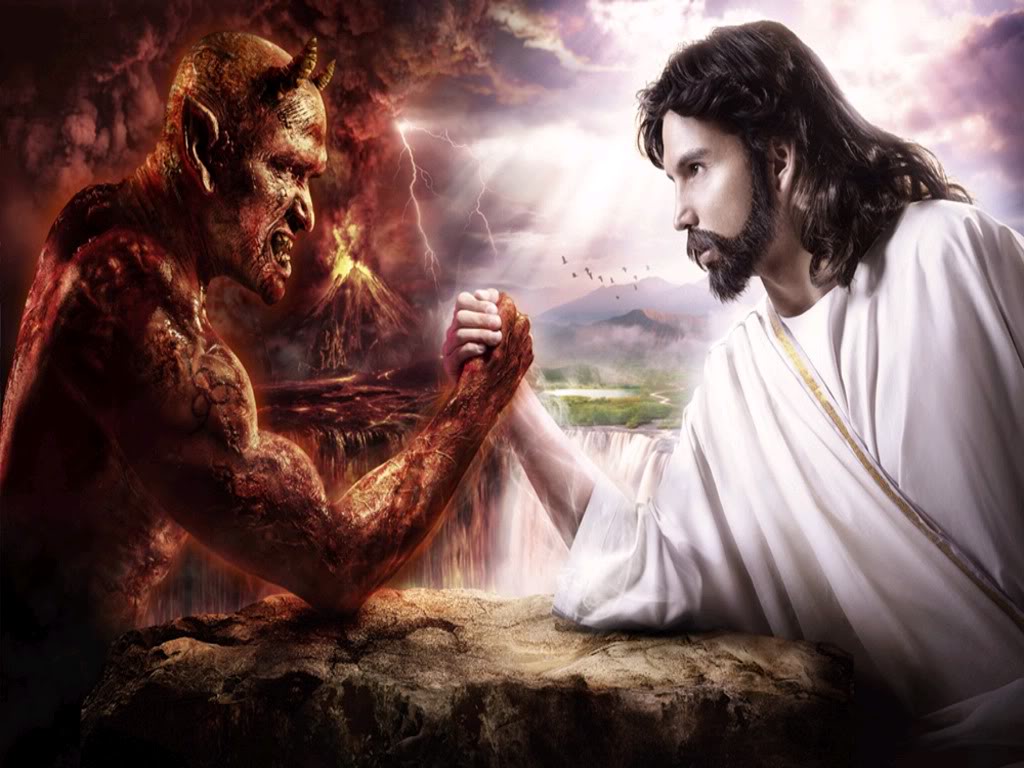
Levi-Strauss looked at narrative structure in the terms of binary opposition. In Halloween the most obvious would be Good vs Evil. When contrasted together, the two opposites are emphasized even further and are easily identifiable. The obvious characters that fit this binary opposition is Laurie (good) vs Myers (evil). Another example is Known (suburban area) vs unknown (abandoned house).

The Crazies:

  • Good vs Evil = David and Judy vs Virus and Army - The army kill everyone infected or not.
  • Normal vs Strange = Uninfected vs Infected (Crazies) - Crazies have a creepy appearance.


  • Past vs Present = Civilized town vs Burning Streets - The town is destroyed by a nuke.
  • Humans vs Aliens = Survivors vs Crazies - Virus destroys their human self.


Bordwell and Thompson:
This final theory is based around the idea of a cause and effect relationship, occurring in time and space. Halloween certainly follows this structure as the film is actually set over a period of 15 years yet we witness it all in just over an hour. The opening scene is set in 1963 and then the time skips forward to 1978 where the rest of the film is set. Michael is the only character we followed through this time span. Over the 15 years Loomis says that he spent 7 years trying to help Michael and 8 years trying to keep him away from the public. These are all events over a long period of time that we don't get to see, but hear about.

The Crazies:
The first of the three duration's in the film are the 92 minute running time of the movie itself. Second is the few weeks from when the plane crashes up until the virus takes effect. Finally is the three days that the majority of the film is set over, with the survivors trying to escape the town.

Two examples of events that cause later events before the film 'starts' are the plane crashing into the swamp, and the wife (Judy), being pregnant.

One event that happened in a different time and space to the one shown are the immediate outcome of the bomb dropping on the town, as we are shown this right at the beginning of the film whereas it actually is one of the final things to happen in chronological order. Another event that happens at a different time to the one we are shown is when Russel's car is spiked and crashes, as we hear about it, but don't see it until later on the next day.


Monday, 23 September 2013

Horror Genre Conventions

                  Horror Genre Conventions

Setting: Often set withing small communities or isolated places. Places with a scary "past" that returns to terrorize once again. Abandoned asylums and lunatic houses with scary stories. Night time is very common as the dark allows for many things to be hidden. Houses with attics and cellars that allow for hiding places and the typical place to explore.

Technical Codes: Expressive camera work over naturalistic to portray horror and fear, with unusual angles that are not comfortable to look at. POV shooting (subjective) using hand-held cameras and placing the audience in the monster/killers shoes so you can see the terror of the victim from their point of view. Use of depth of view, with the killer slowly emerging from darkness/background to meet the victim.

Iconography: Visual signifies such as the colours black and red. These portray evil, darkness and blood, all very obvious and easily identifiable. Lighting is expressive. Bladed weapons such as knifes, scythes and axes. Masks to hide the identity of the killer. 


Narrative Structure: Groups of youths partying/ going on trips that go horribly wrong. A haunting event from childhood that returns to kill again. Usually a masculine character, and the typical dumb, sexy, naive girls that get killed off one bye one. There tends to one girl, the "final girl" who is sensible, has morals, and a virgin.


Character Types: The main protagonist tends to be the "victim/hero". The final girl who is a good girl and virgin. Stupid "immoral" teens that get killed off. Ineffectual and useless police/law enforcers who cannot do anything helpful. The confident "wannabe" hero who tries to save the day but ends up getting killed them self  People who are in denial and refuse to believe. Mad scientists who overstep the mark or lose control of their power.


Themes: Binary opposition- good v evil, known v unknown, natural v unnatural. Return of the repressed/dead. The hidden evil inside. What comes after death? Often close to sex in one way or another.